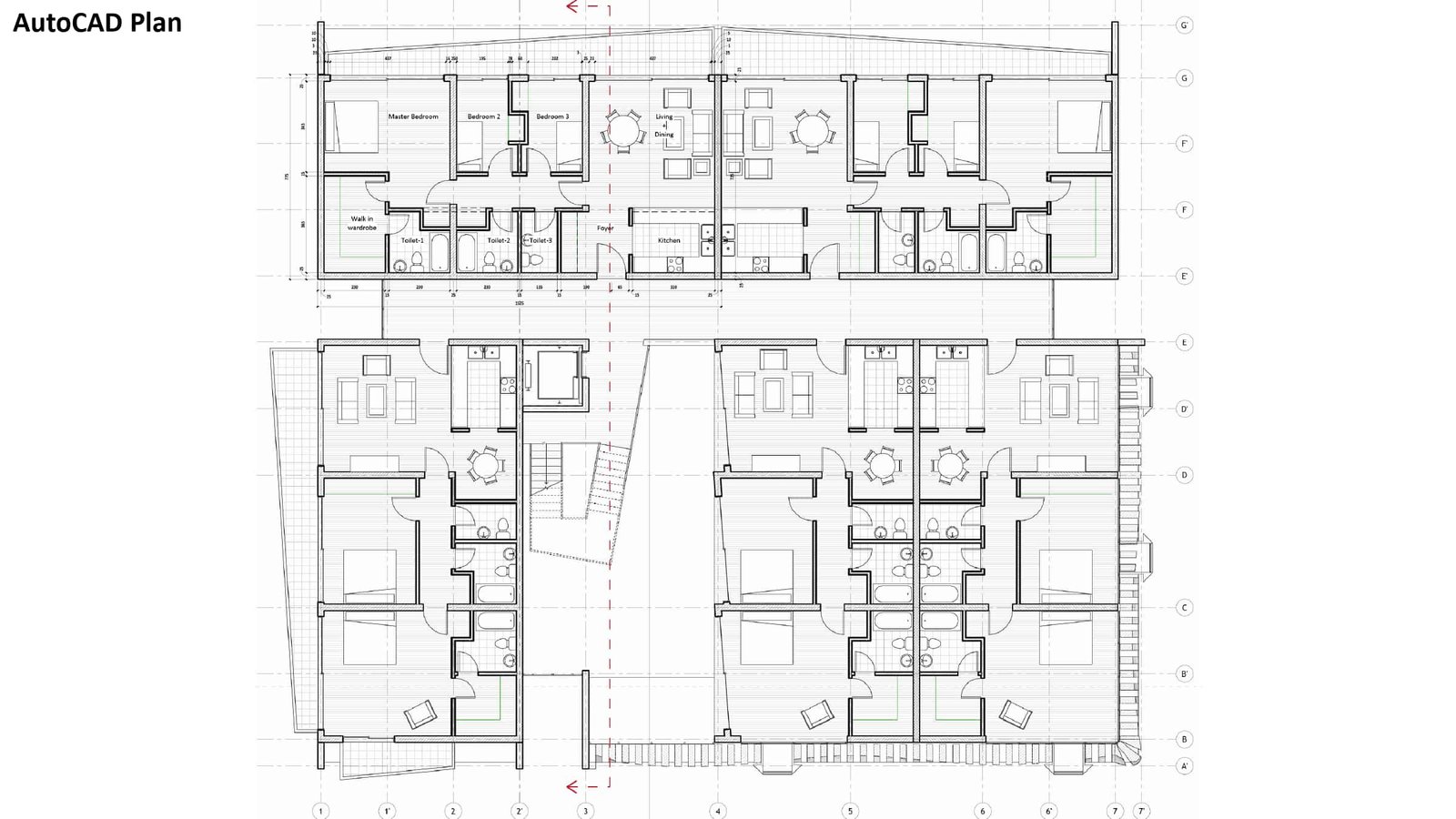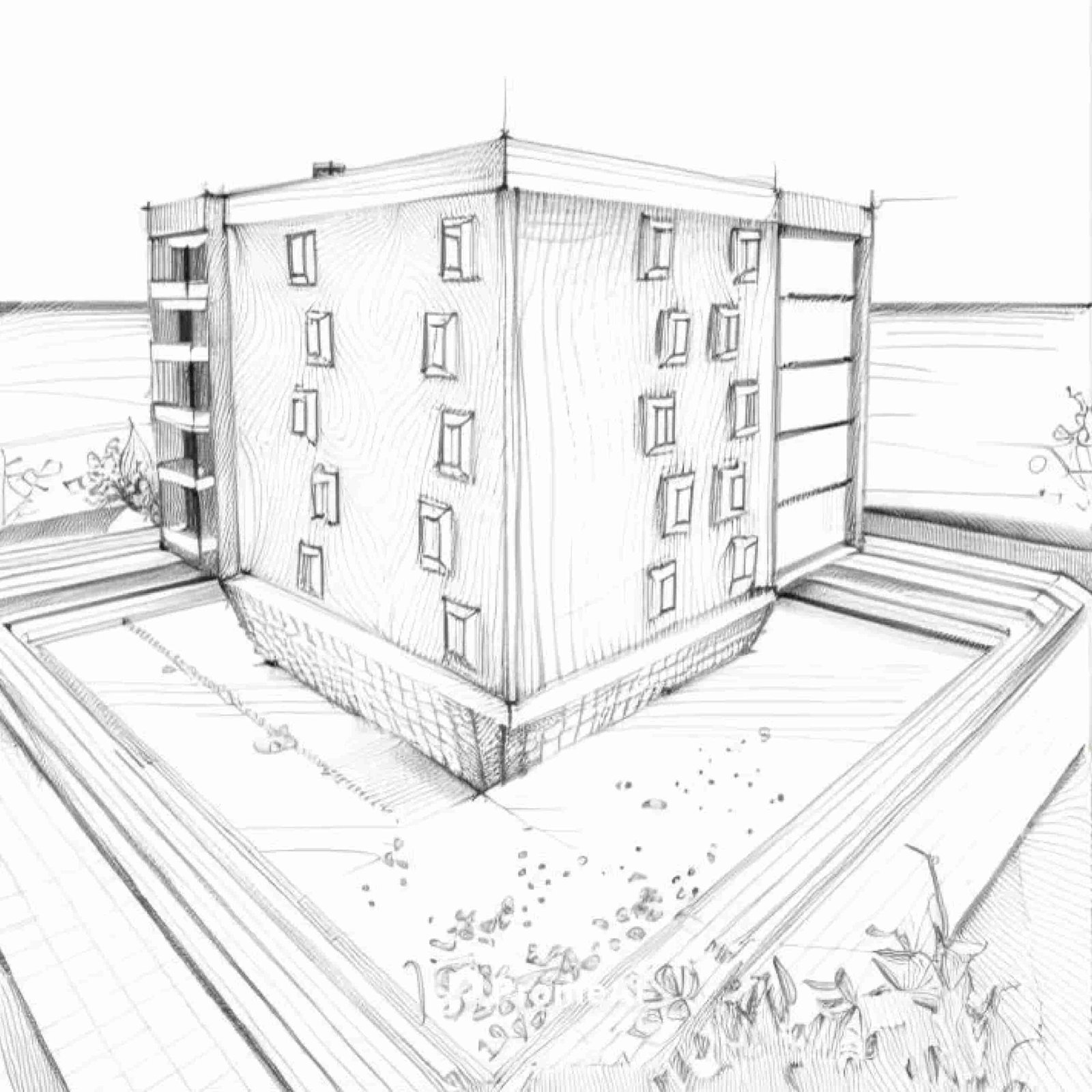
We create production-grade 3D visuals used during design development, not post-design marketing.
Our work supports architectural thinking: testing proportions, explaining space, aligning teams, and helping clients understand decisions before they’re built.
We work as an extension of your studio, adapting to your timelines, review cycles, and drawing standards.
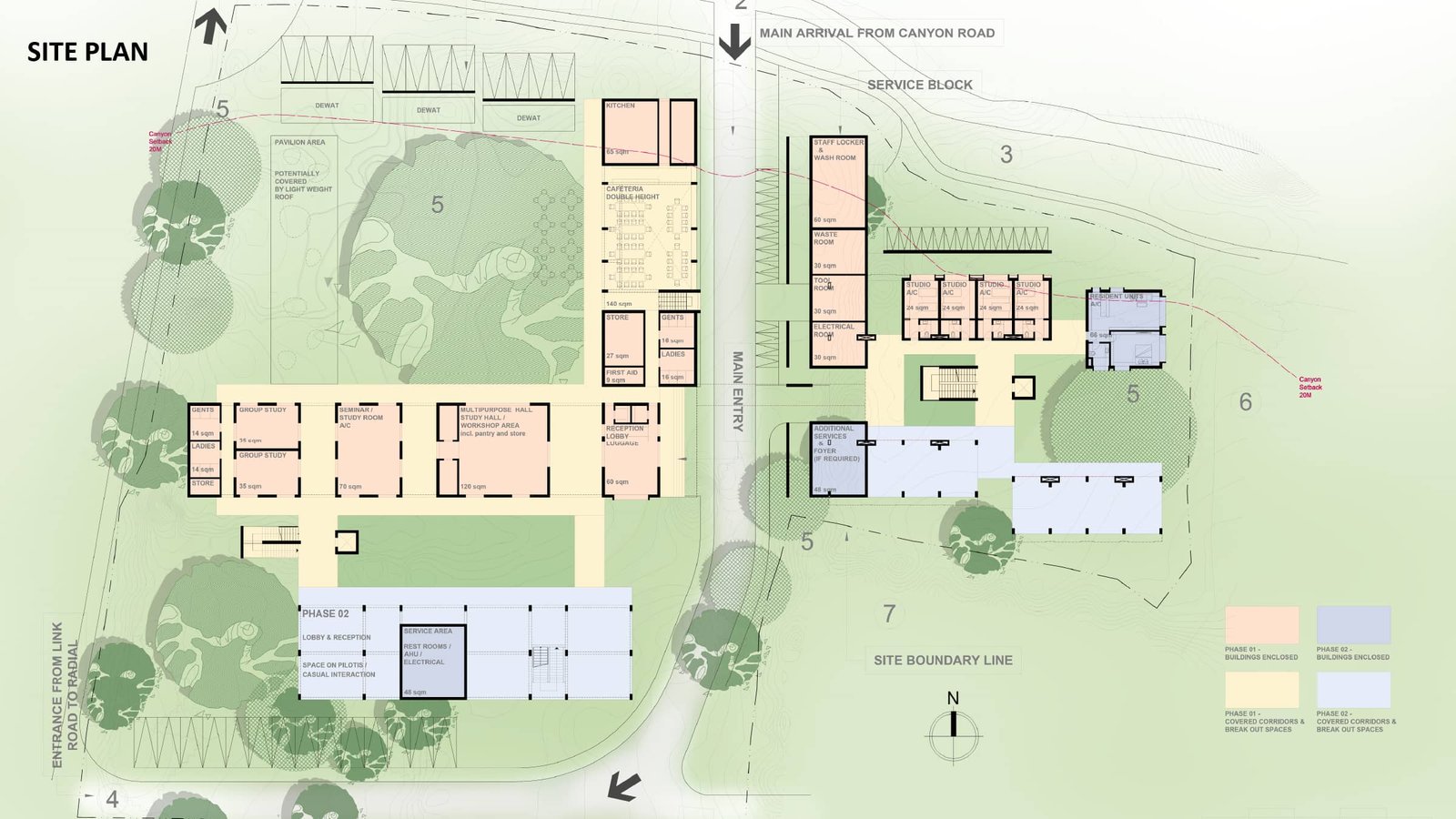
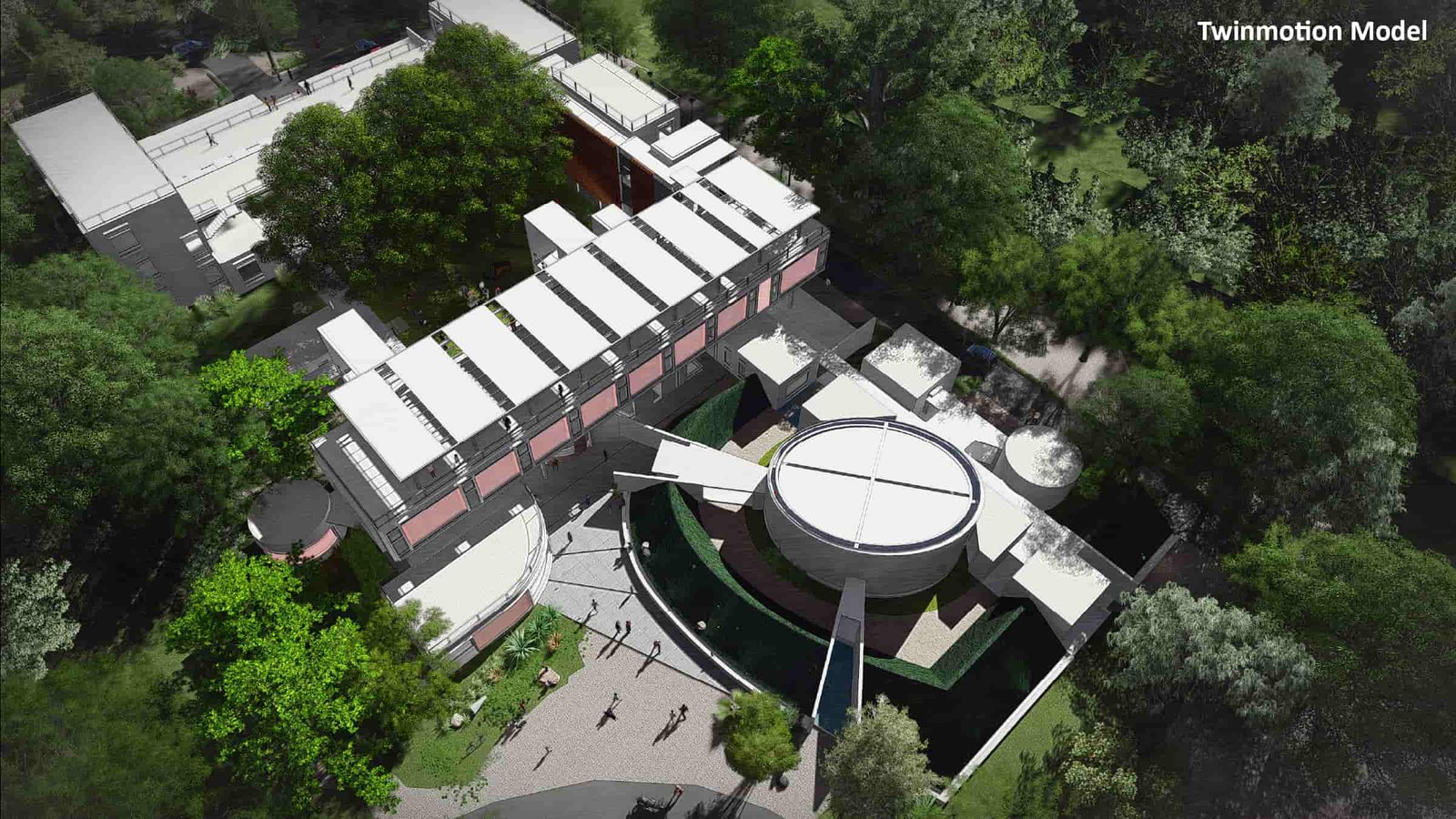
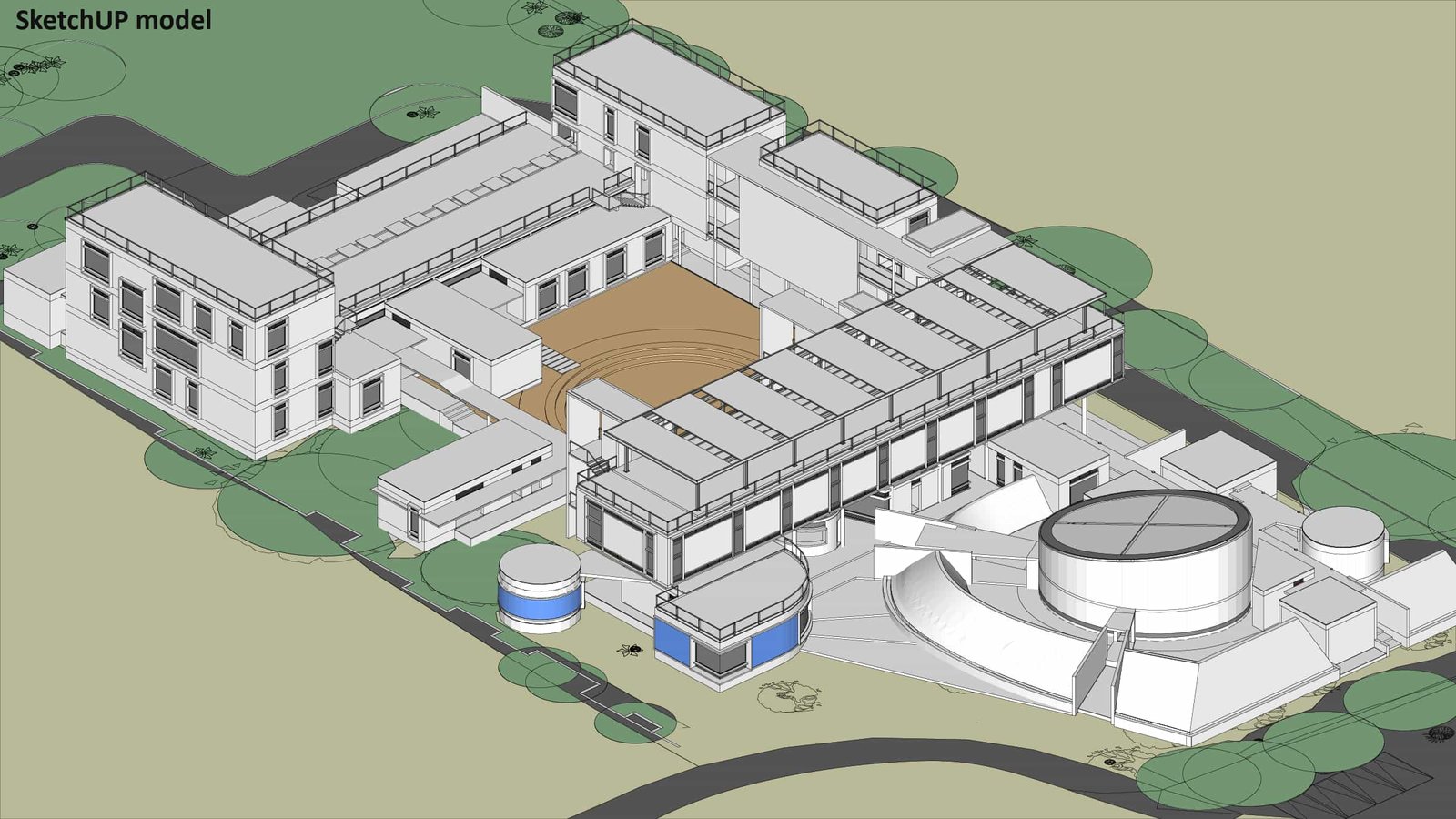
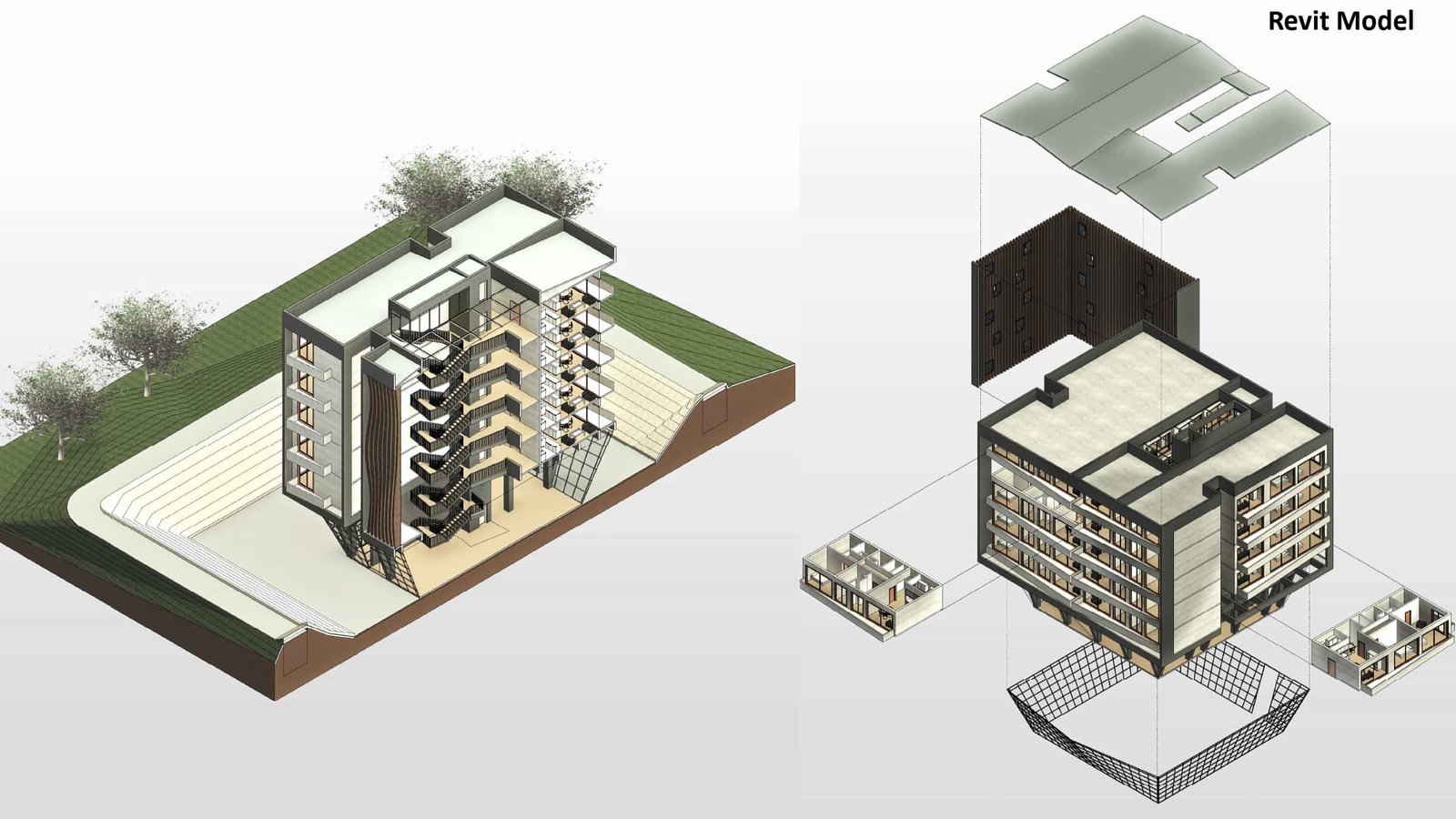
From design intent to production-grade visuals. These visuals illustrate how we think and work internally. Deliverables are defined per project or phase.

We work directly from your drawings, CAD, Revit, SketchUp, or early design sketches.
Before modeling begins, we clarify design intent, priorities, and what the visual needs to communicate.
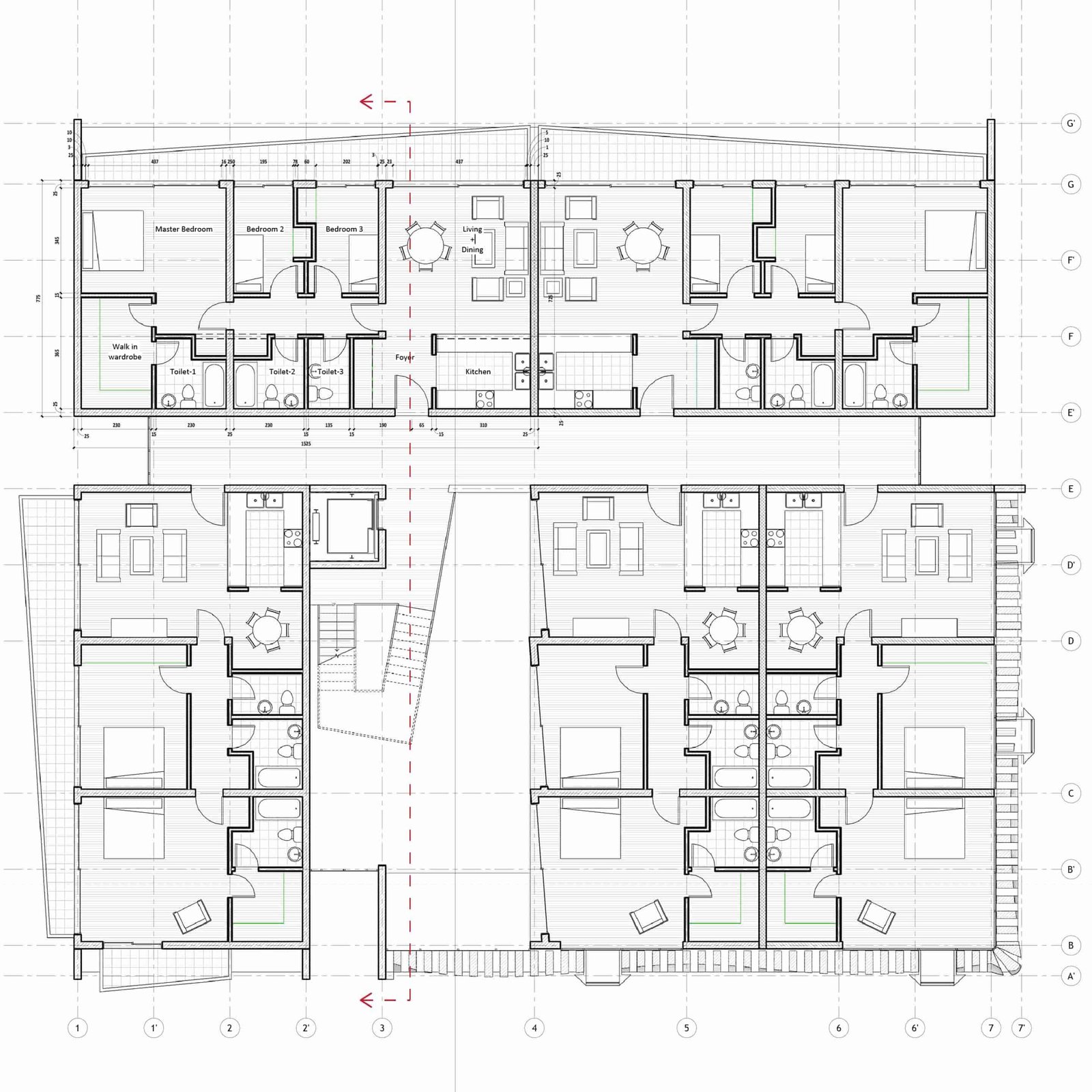
A clean, coordinated 3D model is developed directly from your drawings, aligned with dimensions, levels, grids, and construction logic.
Proportions are locked before visuals progress.
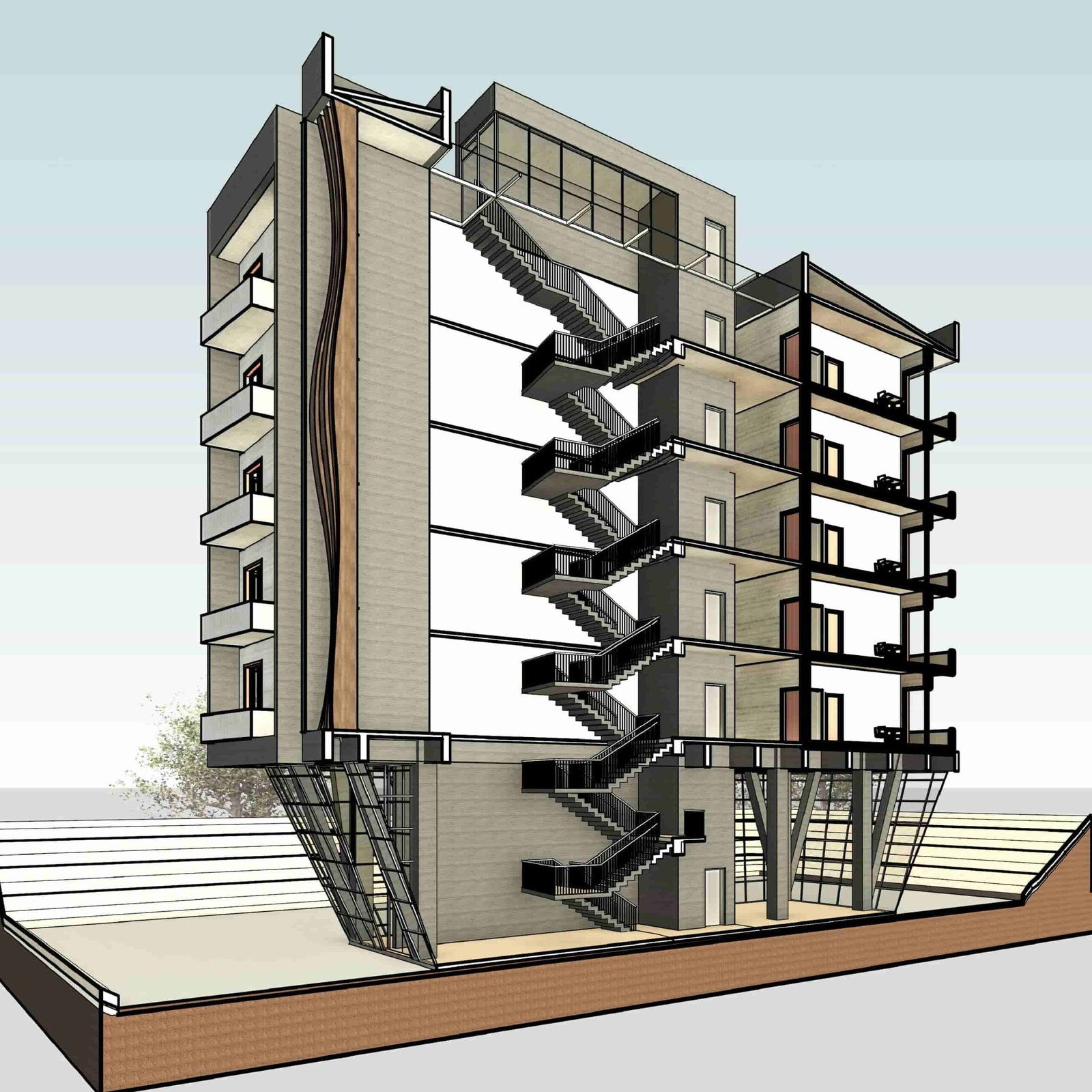
Visuals are developed iteratively, with regular checkpoints.
Feedback is incorporated as part of the process, not as “rework.”
This allows design decisions to evolve without disrupting timelines.
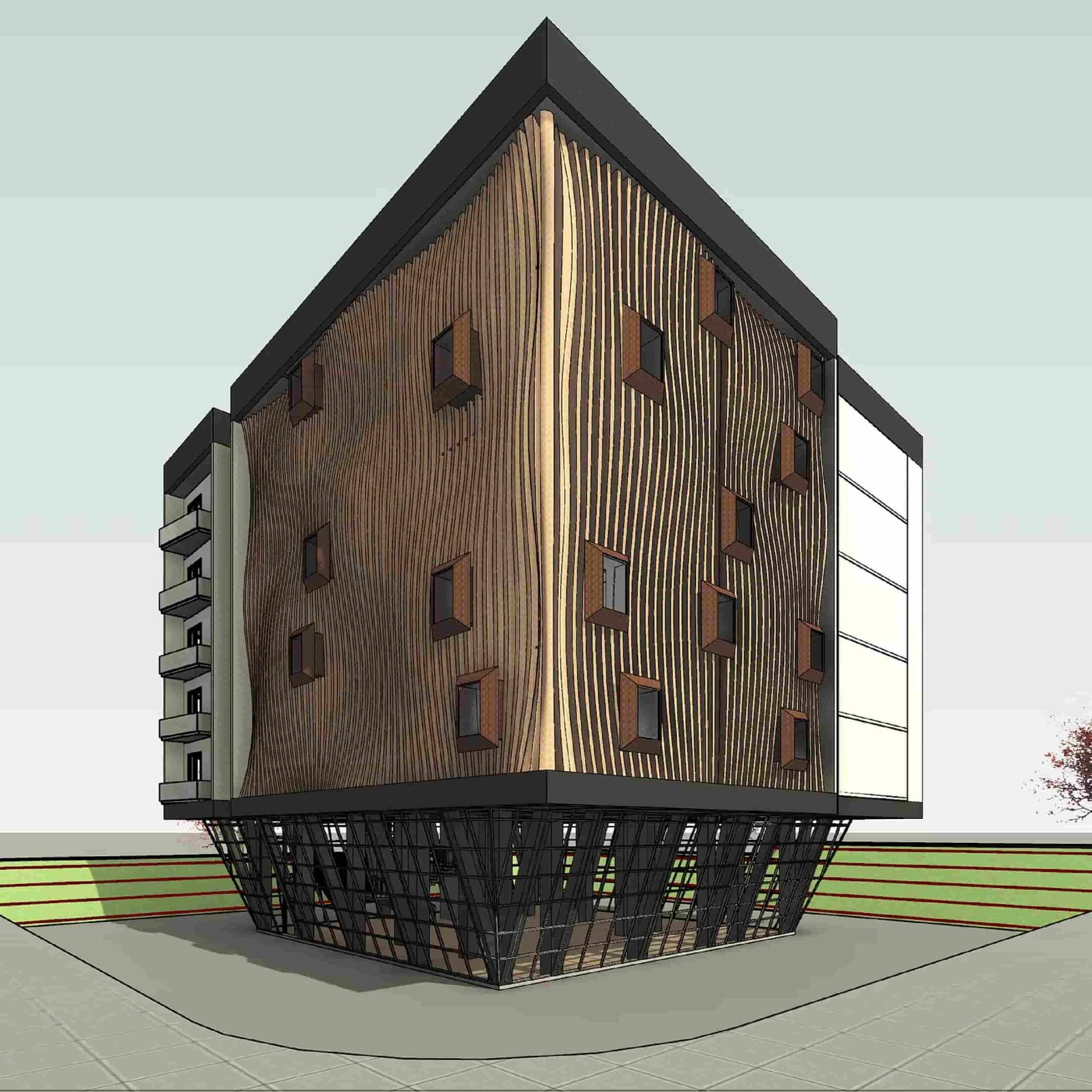
Final outputs are aligned with your presentation needs, client meetings, internal reviews, or consultant coordination.
Designed for clarity and review, not visual exaggeration.
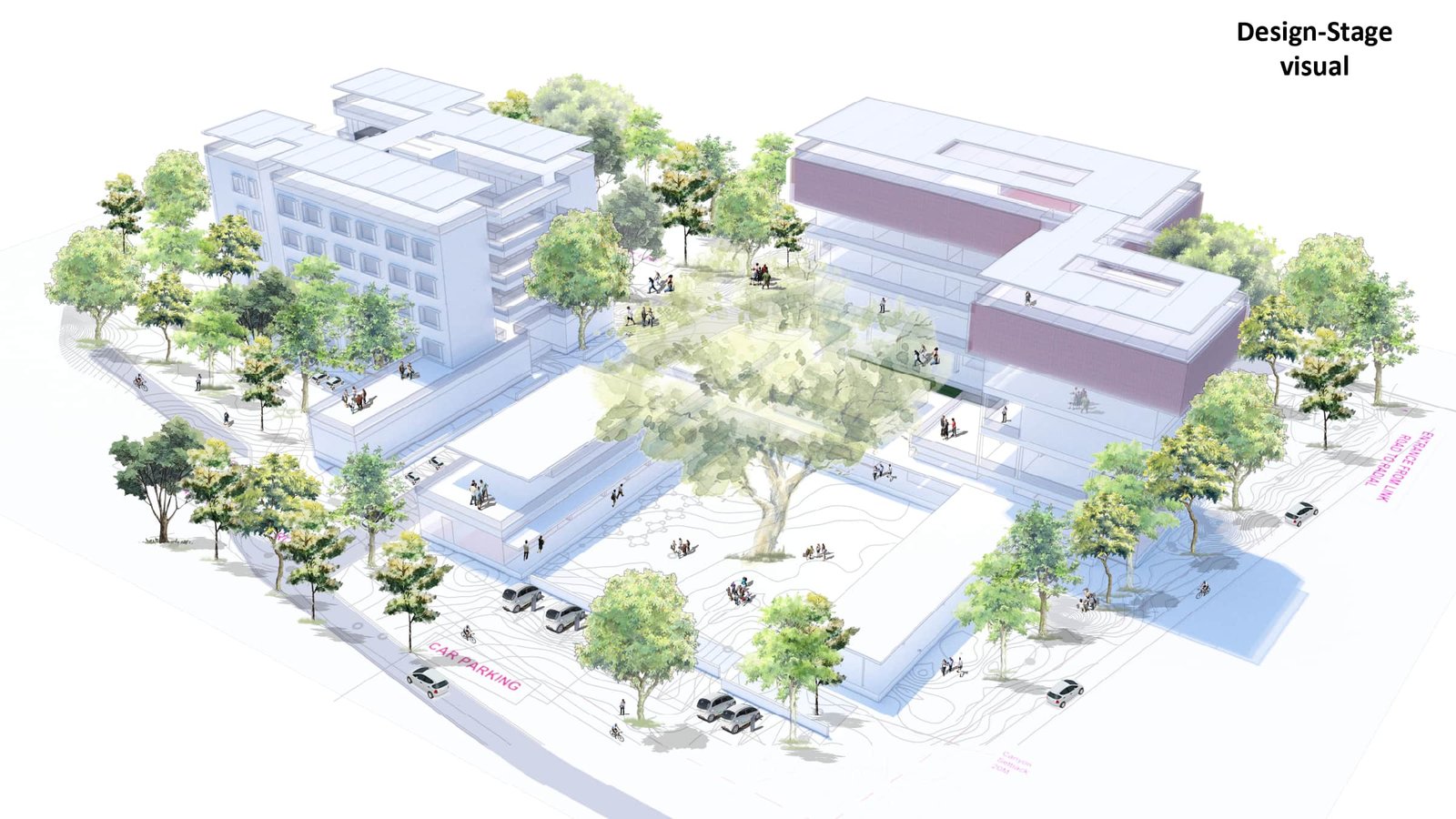
Early-stage visuals to test massing, proportions, and spatial intent before decisions are locked.
Iterative visuals used with drawings during design development to support reviews, coordination, and internal discussions.
Final visual alignment before client or consultant presentations, ensuring clarity without altering design intent.
After the test study confirms alignment, studios typically engage us in one of the following ways.
We work as an extension of your studio during busy periods, supporting multiple projects over time.
Continuous design-stage modeling.
Handling overflow work.
Rapid iterations during deadlines.
Familiarity with studio standards over time.
We support a specific project or design stage, working alongside your team through defined milestones.
Expanded 3D modeling.
Multiple views as required.
Iterative refinement as the design evolves.
Clear scope, predictable timelines.
Short, focused support during critical design moments such as competitions, deadlines, or key reviews.
Tight timelines.
Clear deliverables.
High coordination.
Design clarity under pressure
Our workflow commonly involves AutoCAD, Revit, SketchUp, Twinmotion, and Photoshop, aligned with your existing design tools and project requirements.
Yes. We adapt to your drawing standards, naming conventions, timelines, and review cycles, working as an extension of your studio.
We typically begin with a small, paid test render to align on expectations, workflow, and level of detail. This allows both sides to assess quality, communication, and how the collaboration fits into your design process.
Once alignment is established, we propose project-based or ongoing support options based on your needs and timelines. Our aim is to work as a reliable extension of your studio, adapting to your workflow rather than imposing our own.
Iterations are handled as part of the design process rather than counted individually. Most projects involve 2–3 planned review cycles, where feedback is incorporated as part of the process, and revisions reflect design development.
If the design direction changes substantially beyond this, additional iterations may be required and would be treated as a new render or image.
We typically work from CAD, Revit, or SketchUp models, but we’re also comfortable starting from early sketches or sectional drawings as long as dimensions and intent are clear. All visuals are grounded in drawings and following the design intent provided, not assumptions.
A test render is a limited scope design-stage 3D study, not a finished marketing image. It is developed directly from your drawings, models, or reference material to help resolve one specific design question such as massing, façade logic, or material intent at the current stage.
A test render includes:
One review cycle to align the output with your intent
A test render does not include:
Full project or multi-area modeling
Multiple floors or extensive scope beyond the agreed focus
Project-wide material finalization
Multiple presentation views or camera angles
Marketing, brochure, or sales visuals
Construction-ready BIM or documentation
The purpose of the test render is to evaluate interpretation, workflow, and collaboration before moving into broader or ongoing design support.